
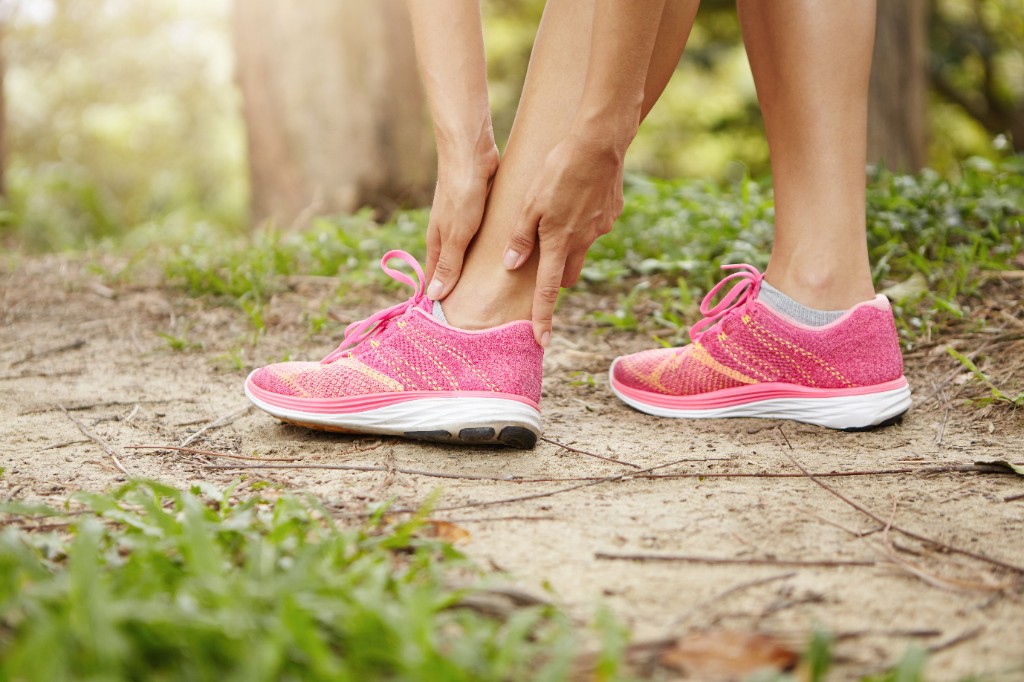
Foot arch pain may feel like aching or pressure along the inner side of the foot. Support position, firmness and shoe fit should be assessed alongside arch height.
Foot arch pain may feel like aching, tightness or tenderness along the inside of the foot between the heel and forefoot. Some people notice discomfort after a long walk. Others feel pressure at one point when wearing a new shoe or insert. Where pain occurs matters, but so do its onset and the circumstances that make it worse.
Pain in the inner arch does not automatically mean there is too little arch support. Different tissues and loading conditions can contribute to symptoms in this area. Before choosing a device, consider the possible cause and review footwear, daily activity and any existing inserts together.
The medial longitudinal arch runs along the inner side of the foot, between the heel and the forefoot towards the big toe. Bones, ligaments, tendons and other soft tissues contribute to how this structure works. The arch forms part of the foot's system for bearing load and moving during walking.
Arches do not look the same in everyone. A lower or more prominent arch is not a disease by itself. In particular, a foot shape that causes no symptoms should not automatically be treated as a problem requiring correction. Assessment explores how appearance relates to the person's actual symptoms.
A sudden increase in walking or running, longer periods on your feet and tight footwear can contribute to discomfort. Changes in daily loading should be considered alongside when symptoms began. Pain after activity does not always come from the same structure; the history needs to be interpreted with examination findings.
Pain between the heel and arch, especially during the first steps after rest, may be associated with plantar fasciitis. That description alone does not establish the diagnosis. Rather than covering every cause of heel pain, this article focuses on the relationship between inner arch symptoms, footwear and support. For broader sole and heel symptoms, see our guides to pain in the sole of the foot and heel pain.
Problems involving tendons that pass along the inner ankle towards the arch can also cause pain in this area. Inner ankle swelling, difficulty walking or a new change in arch shape warrants assessment. Simply adding a higher insert may not be the appropriate response to such a change.
Flat feet describe a shape, whereas arch pain describes a symptom. Many people with low arches carry out daily activities without pain. Someone whose arch looks unremarkable can still develop discomfort along the inside of the foot. These descriptions should not be used interchangeably.
A wet footprint or the wear pattern on a shoe may provide observations, but neither can establish the cause of pain or the required height of a support. If a change has developed in only one foot, arrange an examination rather than relying on photographs to make a diagnosis.
Consider width, depth, heel retention and contact beneath the arch, not only the size label. Adding an insert to tight footwear can create pressure over the top or side of the foot. Choosing a longer shoe does not always solve an unsuitable shape.
Try footwear with the socks you normally wear and any intended inserts. Comfort while seated is not enough: take a short walk and check heel slippage, toe space and arch contact. Adjustable laces or straps should be considered alongside the fit of the shoe itself.
If the original liner is removable, clarify how the new insert should be used with it. Stacking inserts can reduce available space more than expected. The device should sit flat inside the shoe rather than fold or slide into a new pressure point.
Where appropriate, arch support may help support the foot or modify the distribution of load. A higher arch contour is not automatically better. The position of contact and how it feels during use are important.
| What to check | Question to ask during a trial |
|---|---|
| Support position | Is contact spread along the arch, or concentrated at an uncomfortable point? |
| Height and firmness | Does the support feel comfortable, or does it push the foot upwards or sideways? |
| Internal shoe space | Are the toes and top of the foot comfortable with the insert in place? |
| Fit during movement | Does the heel slip or the insert move when walking? |
| Subsequent use | Does new pain, rubbing or numbness develop during the day? |
Ready-made and custom-made options should be considered according to individual needs. Custom orthotics are not compulsory for everyone, and one prefabricated product will not suit every foot. A device helping someone else, or costing more, does not establish that it is right for you.
Contact can feel different with a new support. However, do not continue through sharp pain, significant rubbing or numbness simply because you believe you must get used to it. Stop using the device and have its fit with the foot and shoe reviewed. Professional adjustment may be appropriate.
The introduction period depends on the product and the individual plan. Heating, cutting or bending an insert, or adding pads underneath it, can change pressure. At a review, explain which shoe you wore, how long you used the device and what you were doing when discomfort occurred. For breaking in and care, see our guide on how to use insoles.
Foot pressure measurement can show how load is transferred across the sole under the test conditions. Together with a discussion, gait observation and any necessary examination, it may help inform the support plan. A coloured map alone cannot establish the cause of arch pain.
Ask how the findings relate to your everyday symptoms and what the proposed support is intended to achieve. Describing the location, timing and relationship to footwear is more useful than relying only on the statement that your arch is low. A clinician may recommend other investigations where needed. For gait and loading context, see our guide to gait analysis.
Arrange assessment if pain limits ordinary activities, keeps returning, gets worse or persists despite reducing provoking activity. Do not delay advice about reduced sensation, numbness, wounds or foot pain in someone with diabetes. A newly flattened arch or swelling around the inner ankle also warrants review.
Inability to bear weight, an obvious change in shape or severe pain after an injury requires prompt medical attention. Choosing support for arch pain begins with understanding the symptoms and checking shoe fit. Bring everyday footwear and any existing inserts when discussing your options. You can arrange a discussion suited to your needs.