
Correct fitting, gradual adaptation and suitable care matter when using insoles. Learn how wearing time, cleaning and review needs should relate to your product and individual plan.
Insoles should be positioned correctly in suitable footwear and used according to the recommended wearing plan. New foot orthoses may need a gradual introduction; cleaning and replacement decisions depend on the materials, condition and individual need.
A ready-made liner, custom insole and support prescribed for a specific treatment may have different instructions. Written product guidance and the plan from your clinician or orthotist take priority.
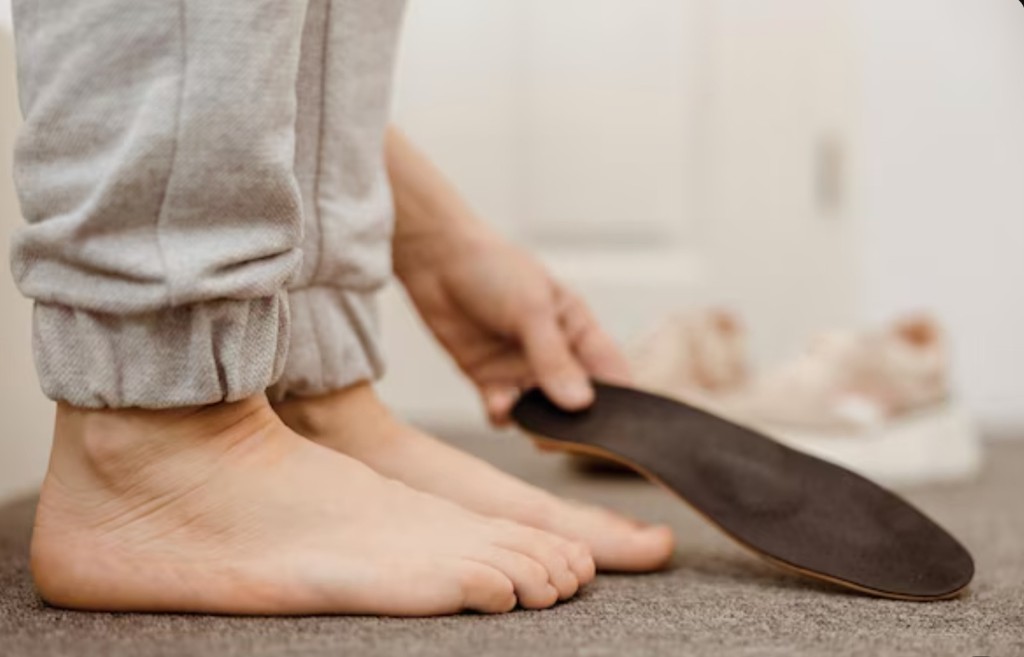
Use the correct right and left pieces and position them in the direction demonstrated. Check that the insert is not folded, the heel section sits correctly and it does not slide. Ask the supplier to demonstrate positioning for a half-length or specialist design.
Clarify whether the shoe's removable original liner should be taken out. Stacking inserts can reduce available space. Do not force out glued liners or remove components from prescribed specialist footwear without advice.
The toes need sufficient room and the heel should remain comfortably held. Adjustable fastenings such as laces or straps can help fit. Do not assume that tightness after adding an insole will disappear with adaptation.
Check the fit again when moving an insert to another shoe. Bring your insoles when shopping for new footwear; a good fit in one model does not establish suitability for every other pair. You can review the general differences between ready-made and custom options in our guide to orthopedic insoles.
New insoles can initially feel different. A general approach is to start with shorter periods of lower-intensity use and increase according to comfort and skin checks. Your individual instructions may differ.
Choose an initial trial in conditions where you can check the product, rather than a day involving prolonged standing or a long walk. Note wearing time, footwear and the location of any discomfort.
There is no single daily number suitable for everyone. The target symptom, activity and purpose of the product matter. Ask about the starting duration, how to increase it and the longer-term wearing goal.
Do not increase wear despite pain on the assumption that more use must be better. For post-operative care, wound protection or another specific treatment, clarify changes to the plan with the treating team.
A different support sensation may occur, but significant pain, blisters, new numbness, wounds or persistent redness should not be ignored. Stop the use causing the problem and contact the recommending professional. Do not try to resolve it by cutting the device or adding padding yourself.
| Observation | Suggested response |
|---|---|
| Unfamiliar support sensation without a skin problem | Follow the individual gradual wearing plan |
| Increasing pain or persistent pressure | Do not push through; request a fit review |
| Redness that does not settle after removal, blisters or a wound | Pause use and seek professional advice |
| A crack, sharp edge or slipping insert | Avoid using the damaged device and have it checked |
With diabetes or reduced sensation, an absence of pain does not confirm safe use. Check the skin regularly and seek prompt healthcare advice for a new wound or suspected infection.
Do not make a long run, intense session or race the first trial before checking comfort during everyday walking. Introduce sport through a plan that considers the activity and footwear combination. Selection and shoe fit for sport are also discussed in our guide to sports insoles.
Even sports-specific insoles do not have one universal start day. Clarify when to increase use and whom to contact if problems arise.
Read the product's care instructions first. Many foot orthoses are cleaned by wiping the surface with a slightly damp cloth, but that does not make every product waterproof or washable.
Unless explicitly permitted, avoid immersion, machine washing and strong chemicals. Check whether soap or another cleaner is suitable too, because guidance can differ between materials.
After cleaning, allow the device to dry naturally in accordance with its instructions. Radiators, hair dryers and other direct heat sources can affect shape or adhesives.
Removable products may be taken out of footwear for airing. Do not force fixed components out of specialist shoes. Avoid bending inserts or putting heavy objects on them in storage, and inspect both the device and shoe interior before reuse.
A fixed replacement month is not appropriate for every insole. Materials, activity, care and changes in the foot affect useful life.
Cracks, loss of shape, separated covering, new pressure points or returning symptoms are reasons for review. If only the top covering is worn, repair or refurbishment may sometimes be possible; a completely new product is not always required. A professional should assess the suitable option.
Children need fit checks as they grow or change footwear. Arrange a review rather than heating, gluing or structurally trimming an orthosis yourself. Assessment for children is discussed in our guide to flat feet in children.
Bring the insoles, the footwear in which you use them and any wearing notes. Explain daily use, the symptom the product is intended to address and any new problems.
Ask, “Does the product still fit my needs?”, “Would repair be sufficient?” and “Should the wearing plan change?” If comfort remains poor, seek reassessment rather than simply extending use.