
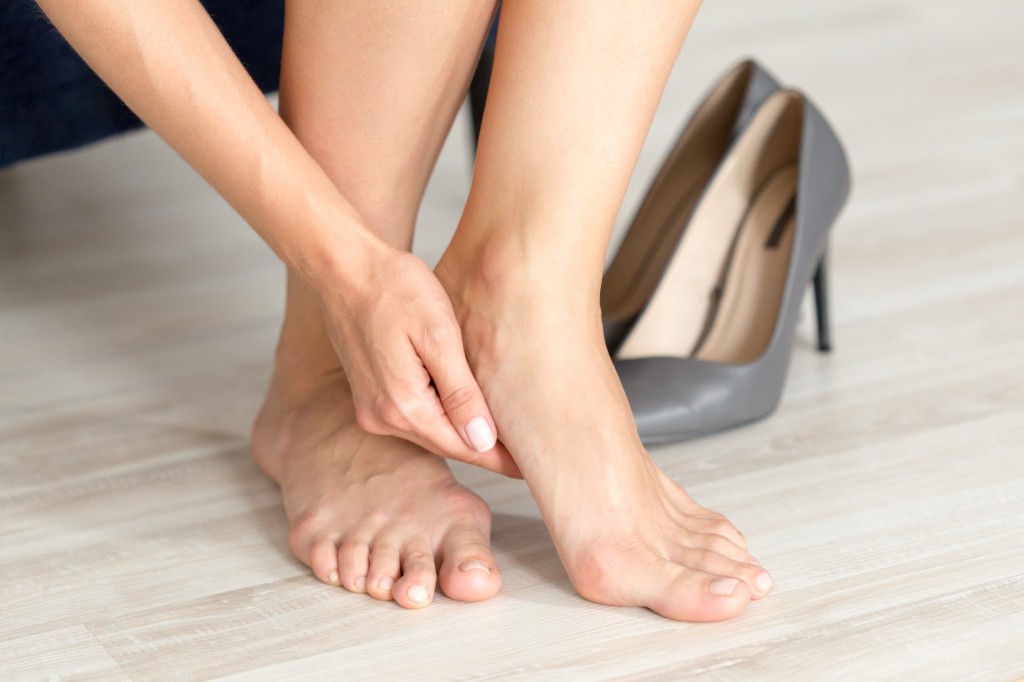
Foot corns and calluses require attention to the source of pressure and friction as well as the thickened skin. Learn how footwear and, when appropriate, insoles fit into assessment.
Foot corns and calluses form when the skin thickens in response to repeated pressure or friction. Poorly fitting footwear, toes rubbing together and loading concentrated in particular areas can contribute.
Assessment considers the cause as well as the hardened skin. Insoles may help reduce pressure in some circumstances; they are not necessary for every corn or callus and should not be presented as a guaranteed solution on their own.
Corns are usually smaller, more localised areas of hardened skin, while calluses cover a broader area. Although their appearance and tenderness can differ, pressure and friction are common contributing factors.
They may occur on the toes, between them or under the foot. Location provides useful information, but it does not independently establish the cause or determine treatment.
Tight shoes can compress the foot, while overly loose footwear may allow sliding and rubbing. Seams inside shoes, unsuitable socks and increased forefoot loading in high heels may also contribute.
Structural features such as toe deformities can increase contact at particular points. It is therefore misleading to assume that every callus means someone “walks incorrectly”; the foot and footwear should be considered together.
Warts and other skin lesions may resemble corns. A photograph, pain pattern or single sign found online is not enough to establish a reliable distinction. A dermatologist can assess an uncertain lesion.
Do not cut or scrape the skin to identify it yourself. A new, changing or bleeding lesion should be examined before trying products.
Before an appointment, note where the discomfort occurs and when it increases. The table is intended to support that discussion, rather than diagnose the problem.
| Observation | A topic to discuss |
|---|---|
| Hard skin on top of a toe | Contact with the shoe upper, toe shape and internal shoe height |
| Tenderness between toes | Toe contact and footwear width |
| Thickening under the forefoot | Loading areas, footwear and daily use |
| Recurrence in the same place | Whether the pressure or friction source remains |
| A problem starting with new shoes | Shoe shape, fit and internal contact points |
Bring frequently worn footwear. Knowing how long the area has been present, which shoes make it worse and whether it changes your walking makes the discussion more useful.
With recurring plantar calluses, assessment may consider whether loading is concentrated in particular areas. When appropriate, pressure measurements can add information to examination and observation of walking. You can also review sole discomfort and footwear in our guide to pain in the sole of the foot.
A pressure map does not diagnose a corn, exclude a wart or rule out other skin conditions. Ask, “What question will the measurement answer?” and “How will it change the recommendation?” Pressure analysis is not essential for every corn or callus. Our gait analysis guide discusses preparation and measurement.
Suitable supports may be considered to reduce pressure on a painful area under the foot. A soft pad or prefabricated option may be appropriate for some people; foot structure and symptoms may lead to consideration of a custom product. You can review the general differences in our guide to orthopedic insoles.
An insole does not directly remove hardened skin. Selection should relate to the target pressure area and footwear fit. If the problem is shoe contact on top of a toe, simply adding an insole may make the shoe tighter.
Ask which area the support is intended to relieve, how it should fit inside your footwear and when any benefit will be reviewed.
Choose footwear with sufficient toe room that does not compress or rub the foot. Socks should fit comfortably too. Try any new pad or insole with the footwear in which it will be used.
Do not cut a corn or callus with a razor or another sharp tool. Medicated corn plasters and acid-containing products can irritate healthy skin; discuss suitability with a pharmacist or clinician. Avoid using such products as a way to test an uncertain diagnosis.
People with diabetes, circulation problems or reduced feeling in the feet should not cut, file or use acids to remove corns and calluses themselves. Seek professional assessment first; little or no pain does not prove that the area is safe.
Do not wait for an insole purchase when there is an open wound, discharge or suspected infection. Seek medical assessment promptly; a new wound or signs of infection in a person with diabetes should prompt same-day contact with a healthcare service.
If pressure or friction continues, the skin can thicken again. Ongoing shoe contact or loading therefore matters even after professional skin care.
Rather than only repeating removal more often, discuss the cause again. Review footwear, the fit of any support and everyday use together. No product can guarantee that a corn or callus will never return.
Severe pain, restricted daily activity, bleeding, discharge or an open wound warrant assessment. Arrange a consultation if an area has not improved after around three weeks of appropriate self-care; do not wait that long if you have a condition that increases foot risk.
Explain which products and procedures you have already tried. Mention diabetes, circulation difficulties or numbness at the start, because these affect the assessment and care plan.