
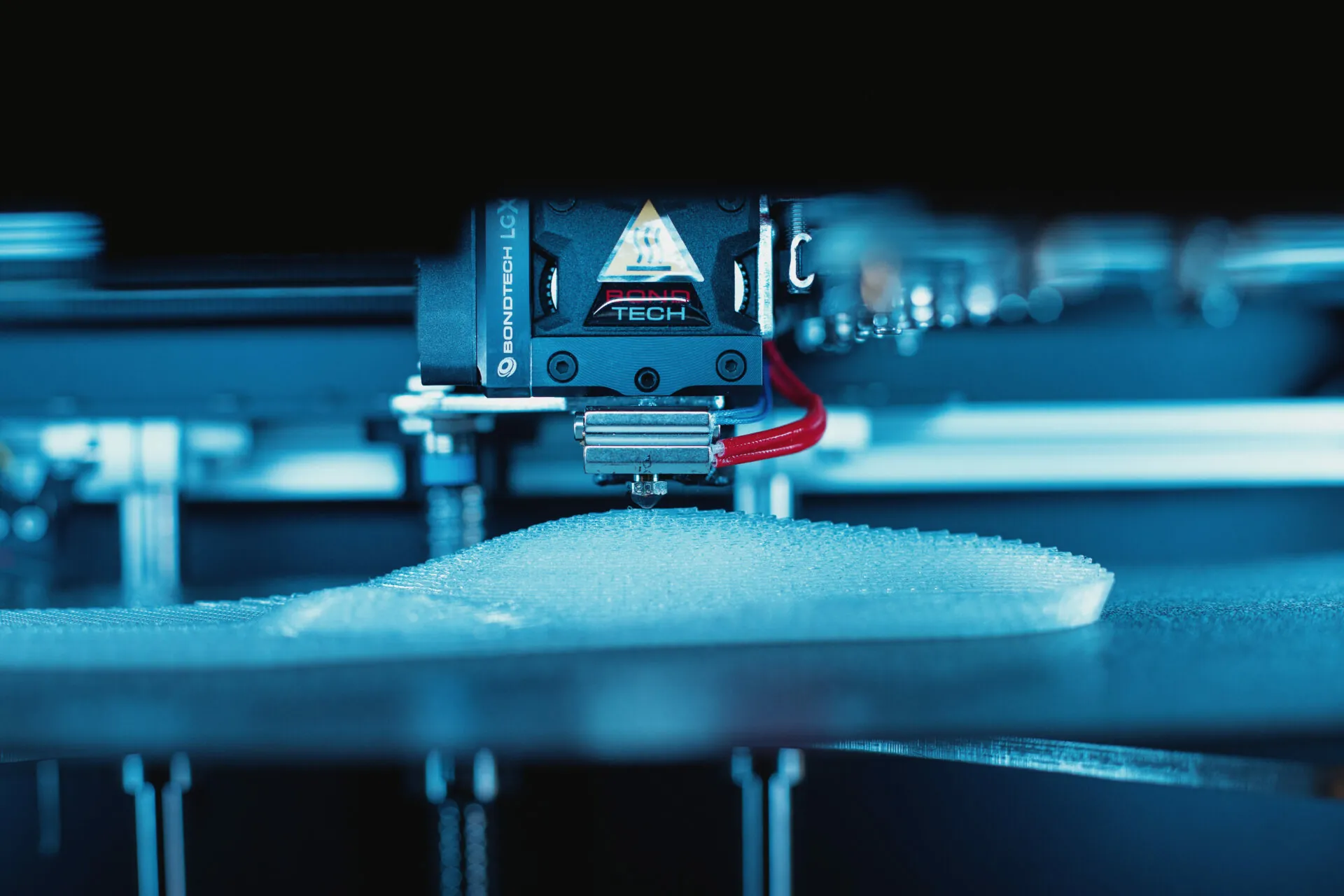
Learn how foot-scan data and 3D printers are changing custom insole production. The article covers pressure-point analysis with millimetric precision, production times cut from days to a few hours, and use for flat feet and heel spurs.
With the rapid advancement of technology, major innovations have entered our lives in the fields of health and comfort. One of the most remarkable examples of this progress is the use of 3D printing technology in the production of custom insoles. Instead of traditional mold methods, fully personalized and ergonomic designs are now being created for each individual.
Every person’s foot structure is unique. Some of us put more pressure on the heel, while others on the forefoot. 3D printer-supported systems analyze these differences with millimetric precision using foot-scanning devices. The digital data obtained is then transferred to the printer, which produces a completely customized insole.
In the past, manufacturing custom insoles could take days or even weeks. However, with 3D printers, this process has been reduced to just a few hours. Moreover, material waste is minimized — the printer uses only the exact amount of material needed. This makes the process both eco-friendly and cost-effective.
Conditions such as flat feet (pes planus), heel spurs, and foot pressure imbalances can significantly affect daily comfort. 3D-printed insoles play a crucial role in such treatments by providing accurate support tailored to the individual’s foot structure. As a result, they help reduce pain, improve posture, and enhance overall comfort.
Today, custom insoles are not only for athletes or people with foot problems but also for anyone who spends long hours standing. In the near future, we may see every footwear brand offering its own 3D measurement and production system.
3D printing is revolutionizing the intersection of technology, health, and comfort. Step by step, it’s providing a healthier, more comfortable, and more personalized walking experience for everyone.