
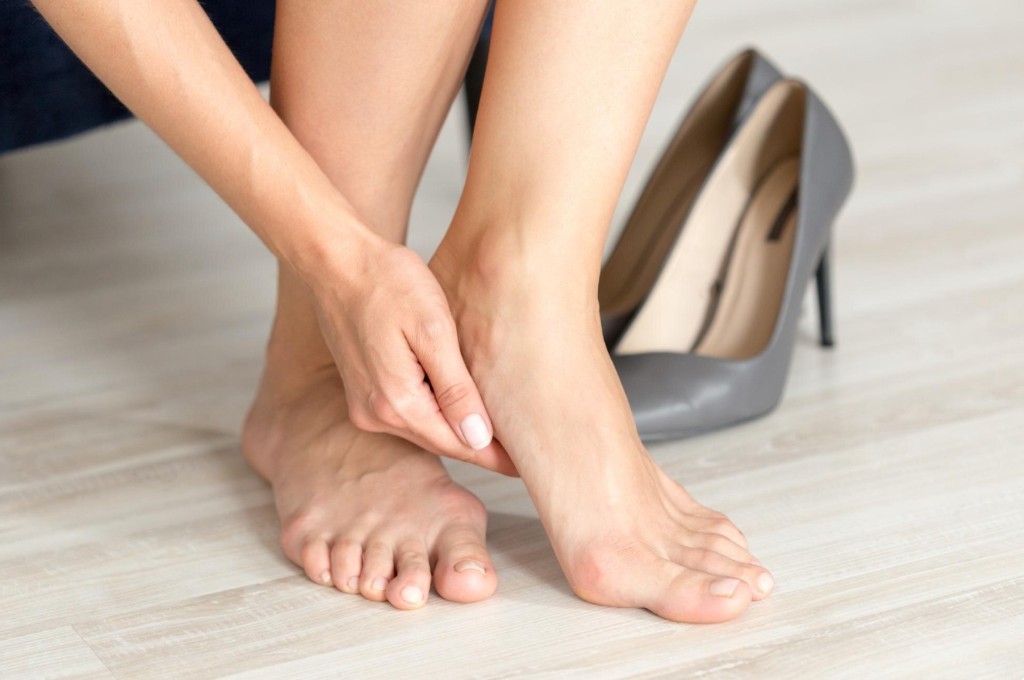
Choosing insoles for heel spurs starts with assessing the cause of heel pain. This guide covers heel pads and insoles, shoe fit, gradual use and follow-up arrangements.
Insoles for heel spurs are one option to consider for support and comfort inside footwear after the cause of heel pain has been assessed. Selecting an appropriate product involves considering symptoms, intended use, foot structure and shoe fit together.
A product marketed “for heel spurs” is not necessarily suitable for everyone, and should not be expected to remove a bony growth. This guide explains what to discuss when comparing heel pads and insoles, collecting a product and starting to use it.
A heel spur is a bony growth on the heel bone that may be seen on imaging. Plantar fasciitis is a condition involving the tissue connecting the heel to the front of the foot. Many people with heel spurs have no pain; seeing a spur on an image does not establish that it is the source of symptoms.
This distinction changes the expectations behind product selection. The aim is to identify appropriate support for assessed symptoms, rather than find a product that changes an X-ray. Do not expect an insole to dissolve or eliminate a spur.
With plantar fasciitis, pain may be more noticeable with the first steps in the morning or after rest, and increase after prolonged standing. This pattern alone does not establish a diagnosis. Describing where and when symptoms occur is part of preparing for an assessment.
Supportive footwear, insoles or heel pads may be considered as parts of an appropriate care plan for heel pain. The intended purpose is to provide support inside the shoe that may help with symptoms during walking and standing. The recommendation should relate to the cause of pain and an individual assessment.
Ask, “Which of my symptoms is this insole intended to help with?” Walking to work, standing during a shift and exercising involve different conditions of use. Explaining those conditions helps clarify what is expected of the product.
Using insoles does not automatically replace other steps recommended after assessment. Changes to activity, footwear or suitable exercises may also be discussed. Do not assume that purchasing a product completes your care plan.
A heel pad generally provides support or cushioning in the heel section of a shoe. Depending on the model, an insole may cover a wider part of the foot. The shapes and purposes differ; labels such as “silicone,” “gel” or “orthopedic” do not explain suitability on their own.
When a heel pad is recommended, ask why it has been selected and how it will sit inside your shoe. When a full-length insole is proposed, ask which need its design is intended to address. Comparing options offered for the same goal is more informative than comparing products with different purposes solely by price.
| Topic to discuss | Question to ask |
|---|---|
| Intended purpose | What is this product intended to do in my situation? |
| Placement | Where will it take up space inside my shoe? |
| Shoe fit | Can we try it in my everyday footwear? |
| Alternatives | Could another type of support be considered? |
| Starting use | How long should I wear it, and for which activities? |
| Review | How will problems with comfort or fit be assessed? |
Ready-made insoles are selected from existing models, while custom insoles are designed using individual assessment and measurement information. Both types may be considered for plantar heel pain. Suitability is not determined simply by whether the product is ready-made or custom.
If a custom product is recommended, ask which information will influence the design and why a ready-made alternative is or is not appropriate. If a ready-made model is proposed, ask how it relates to your intended use. Focus on the reasons for the recommendation rather than assuming the most expensive product gives the best result.
Our guide to orthopedic insoles and custom options explains the general differences. Apply that comparison to your own symptoms and the shoes you intend to wear.
An insole or heel pad takes up space inside footwear. Sufficient width and depth matter for correct placement. Shoes that hold the foot with laces or another suitable fastening, and removable original insoles where appropriate, may make fitting easier.
Bring the shoes in which you expect to use the product most often. During the trial, describe heel position, toe space, slipping or noticeable pressure. If the shoe does not have enough room, discuss the problem at collection before starting use.
If you wear several pairs, discuss the conditions in each. Work shoes and sports shoes may have different amounts of internal space. Taking your existing insoles with you when buying new footwear lets you assess the actual fit.
Tabanlık.com.tr describes Libor A.Ş.'s service through foot scanning, baropodometric gait analysis and individually tailored production. When preparing for an appointment, share how symptoms affect your daily life as well as your shoe size.
You can prepare brief notes covering:
Ask how the measurements inform the recommendation. “How does this information affect the design?” and “What will we check at collection?” help make the process understandable. Measurement output does not replace a medical assessment of heel pain.
Plan wearing time according to the instructions you receive. Rather than testing a new product during a full workday or an intense sporting session straight away, follow the provider's guidance for getting used to it. The same hourly schedule is not necessary for every product and user.
In the early stages, note the footwear, activity and wearing time. This lets you give useful feedback at review, such as “I feel pressure after half an hour in my work shoes, but it does not happen in my everyday trainers.”
If significant pain, rubbing, blisters or skin damage develops, stop use and request a review. Do not accept worsening symptoms as an unavoidable part of adjustment. Do not change the product yourself by cutting it, heating it or adding other components.
Before purchasing, ask whether review appointments and possible adjustments are included. Find out whom to contact if fit becomes a problem and which shoes to bring to a review. Compare the follow-up process as well as product delivery.
Follow the care instructions for the specific product. If permitted, cleaning with a damp cloth and air drying may be suitable; avoid direct heat. Request a check if you notice wear, surface separation or a change in how it feels. There is no single replacement interval for every insole.
Consult a healthcare professional for severe, worsening or recurring heel pain, difficulty with normal activities or numbness. If you have diabetes, seek assessment of new foot pain. Arrange a review if symptoms do not improve after about two weeks of self-care.
Sudden pain after an injury, marked swelling, a snapping sound or inability to bear weight needs prompt medical attention. Do not delay seeking care while trying a newly purchased insole.