
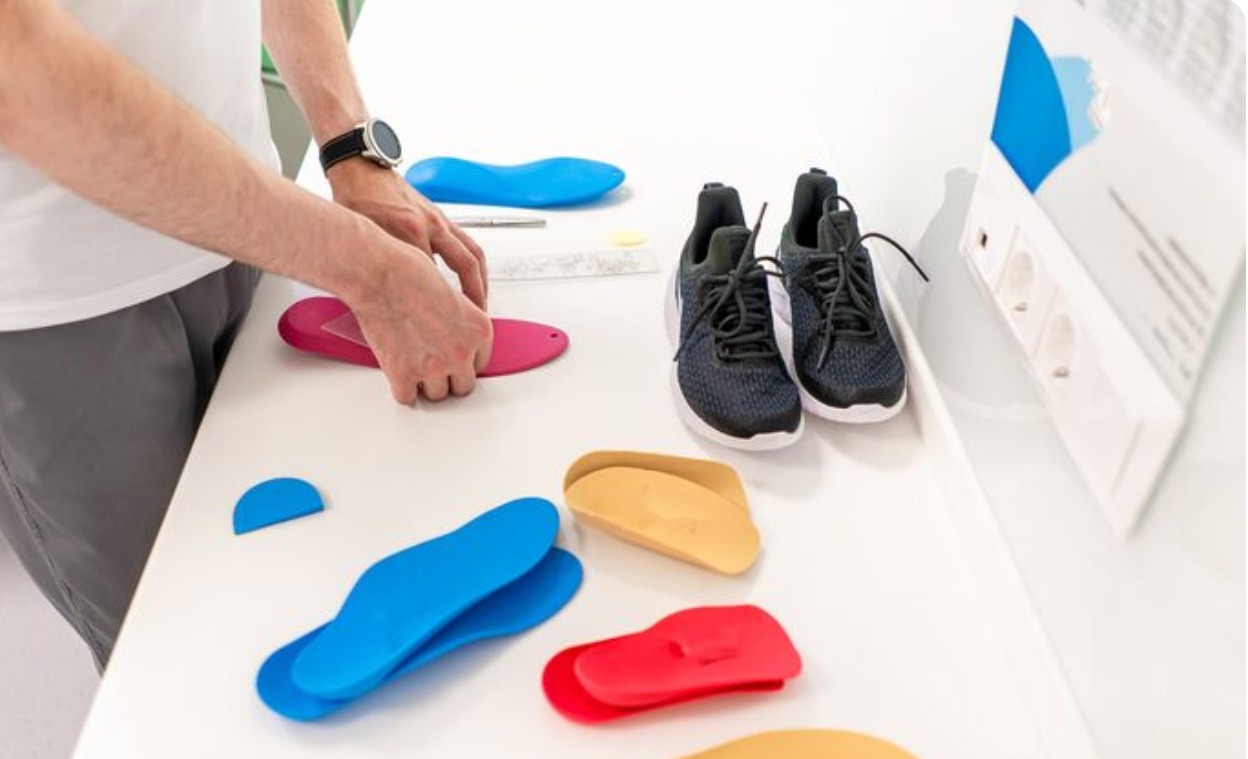
Custom insole prices may vary depending on the assessment, materials, design and manufacturing process. Learn what to consider when comparing quotes, including shoe fitting at collection, adjustments and follow-up care.
Prices for custom-made insoles can vary based on the scope of assessment, production, and post-use services, in addition to the product's design and materials. When comparing quotes, it is important to consider not only the total cost but also which specific services are included in that price.
Custom insole prices may vary with the design and materials as well as the assessment, manufacturing and follow-up included in the service. When comparing quotes, find out what the total covers rather than look only at the final figure.
Two offers using the same phrase “custom-made” may describe different products or services. This guide explains points to clarify from assessment to aftercare; ask the provider for a current quote based on your needs and the proposed scope.
Custom insoles incorporate individual assessment and measurement information into their design. However, the term does not mean every centre uses the same assessment, materials or follow-up arrangements.
One quote may list only the product, while another includes measurement, fitting and a review appointment. Before comparing them, ask whether the price is for a pair and which steps it includes. Consider separately charged services as part of the overall comparison too.
These differences do not mean every higher-priced offer is more suitable or every lower-priced one is incomplete. A useful comparison looks at recommendations for the same need with the same scope. First establish “What am I receiving?” and then “What is the total cost?”
An insole assessment may involve discussing symptoms, intended use and footwear. The measurement method can vary with individual needs; recording foot shape and measuring foot pressure provide different information. Ask which method will be used and why.
When discussing price, ask whether measurement has a separate charge, how the appointment is charged if no product is recommended, and how findings will be explained. It is useful to establish that having a measurement does not automatically mean deciding to buy insoles.
Receiving a coloured output and having its meaning explained are different things. Questions such as “How will this information affect the design?” and “Who will explain the findings?” make the service easier to understand. Our guide to gait analysis before custom insoles discusses the process.
Materials and design should relate to the intended need. Some insoles may be recommended to support the foot, while others aim to reduce pressure in particular areas. A product feeling soft does not determine its suitability on its own.
Instead of accepting only the description “special material,” ask what will be used and why. Ask about thickness, the upper surface and how it will fit inside a shoe. Bringing your everyday, work or sports shoes can make this discussion more specific.
If a material change is proposed, ask whether the total price changes. Avoid assuming that a more expensive material guarantees a better result; listen to how the recommendation relates to your activities. Explaining a material cost is different from promising a health outcome.
A custom product is not explained simply by adding a name or selecting a shoe size. Ask which assessment and measurement information will inform the design decisions. The purpose of the proposed support and its use in your footwear should be clear.
“What will be different in the design for me?” makes the term personalisation easier to understand. Discuss any features proposed for the right and left feet, what will be checked at collection and how a fit problem would be handled.
Also ask whether changes to the design, a fitting trial or later adjustments have separate charges. Clarify these points in writing at the quotation stage rather than discover them after collection.
Different methods can be used to produce custom insoles. CNC manufacturing shapes material through computer-controlled machining; 3D printing builds the design in layers. With either approach, understanding the design and proposed material matters.
Tabanlık.com.tr describes Libor A.Ş.'s service through foot scanning, baropodometric gait analysis and custom production. Ask about the proposed manufacturing method, material and delivery plan together. Do not treat the name of the method as a guarantee of quality or suitability.
Avoid assuming one method is always more expensive, cheaper or more suitable for everyone. A quote should make the method, product scope and delivery arrangements clear. If you need a faster delivery or a particular production plan, ask whether it is available and whether it changes the total.
When comparing custom insole prices, ask the same questions about each offer. The aim is not to choose the longest service list, but to understand the scope proposed for your needs.
| Quote item | Question to clarify |
|---|---|
| Product scope | Is the price for a pair, and how many products will be supplied? |
| Assessment and measurement | Are these included or charged separately? |
| Materials and design | What will be used, and why is it recommended? |
| Manufacturing and delivery | What method is used, and how is delivery planned? |
| Shoe fit | Will fitting and a suitability check take place at collection? |
| Review and adjustments | Which services are included, and under what conditions? |
| Replacement and an additional pair | Is a new assessment or separate quote needed? |
| Total payment | What is the total including tax and any other charges? |
For example, one offer may include a review while another charges for it separately. Comparing only the initial product prices would hide that difference. Ask about the conditions without assuming any particular step is free.
Trying the insoles in shoes and discussing feedback after use are relevant parts of the service. If a product is recommended, ask when and under what circumstances it will be reviewed. Obtain wearing guidance and identify who to contact if problems arise before collection.
For pricing, clarify whether a routine fit review, design adjustment, replacement top cover or manufacture of a new product fall within the same scope. Providers may have different terms. Ask for a written explanation of what “review included” means.
If significant pain or skin damage occurs, stop using the product and request a review rather than continue trying to get used to it. Do not cut or heat the insoles to change them yourself. Knowing what to do if a problem occurs makes the service clearer beyond the purchase itself.
Do not assume every person's insoles need replacement after the same interval. Discuss the product's condition, activities and any change in needs with the provider. Ask what should prompt a review rather than rely on one fixed replacement date.
If you want a second pair for different shoes, ask whether the original design suits that footwear. Keeping the previous measurement, deciding whether reassessment is needed and pricing repeat production are separate questions. Do not assume the same charge or a particular discount will apply.
No. Price alone does not determine individual suitability. Ready-made supports may be considered for some needs. If a custom product is proposed, ask why it has been selected for you. The recommendation's purpose should be clear before its cost is assessed.
When requesting a quote, share your symptoms and footwear rather than decide on price separately. Read the product description, total payment, delivery terms and follow-up scope together before making your decision.